Original Oak Under Carpet in a 1950s House
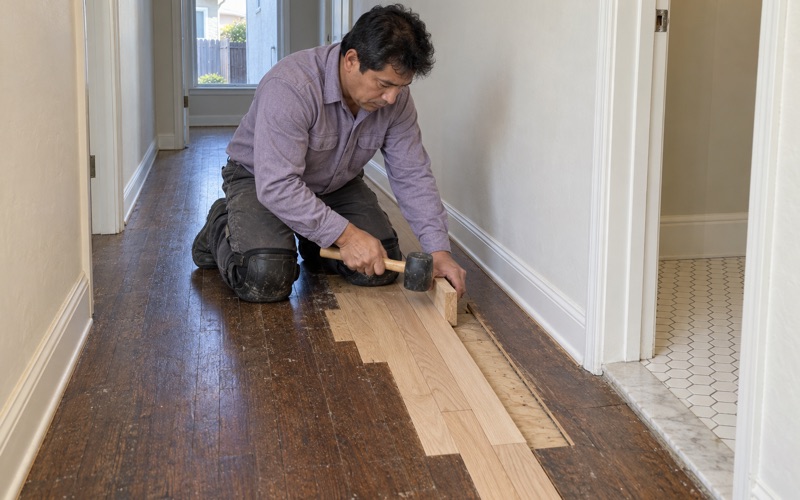
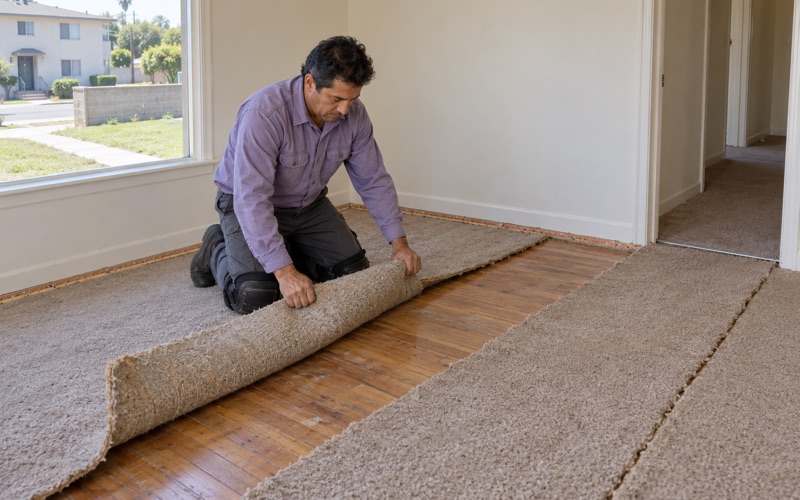
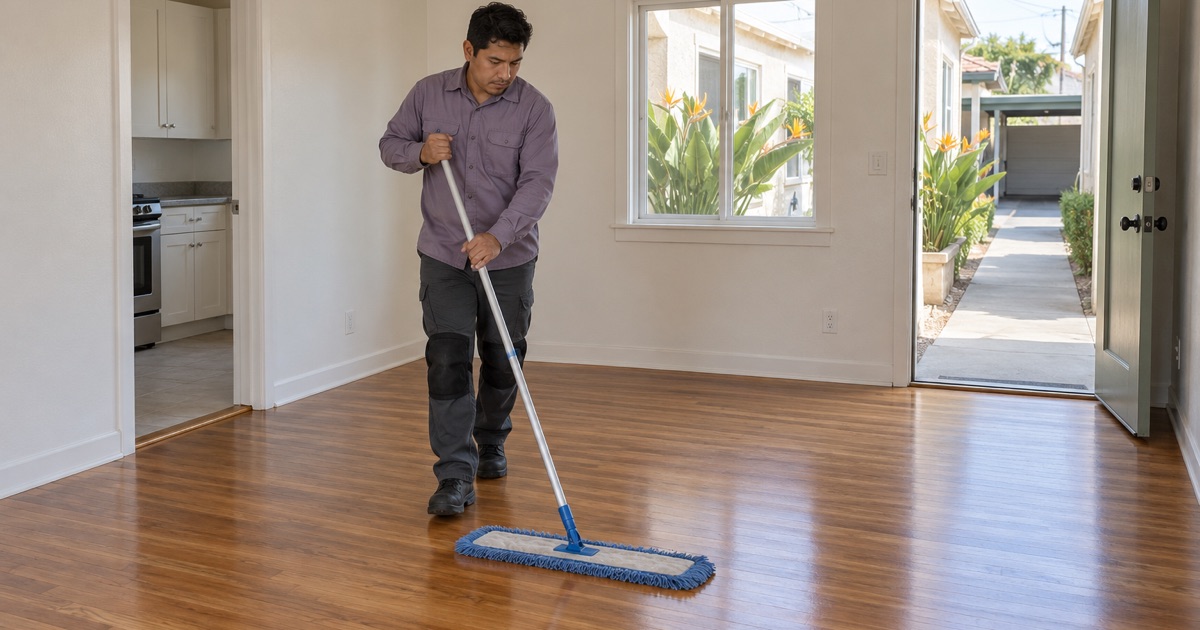
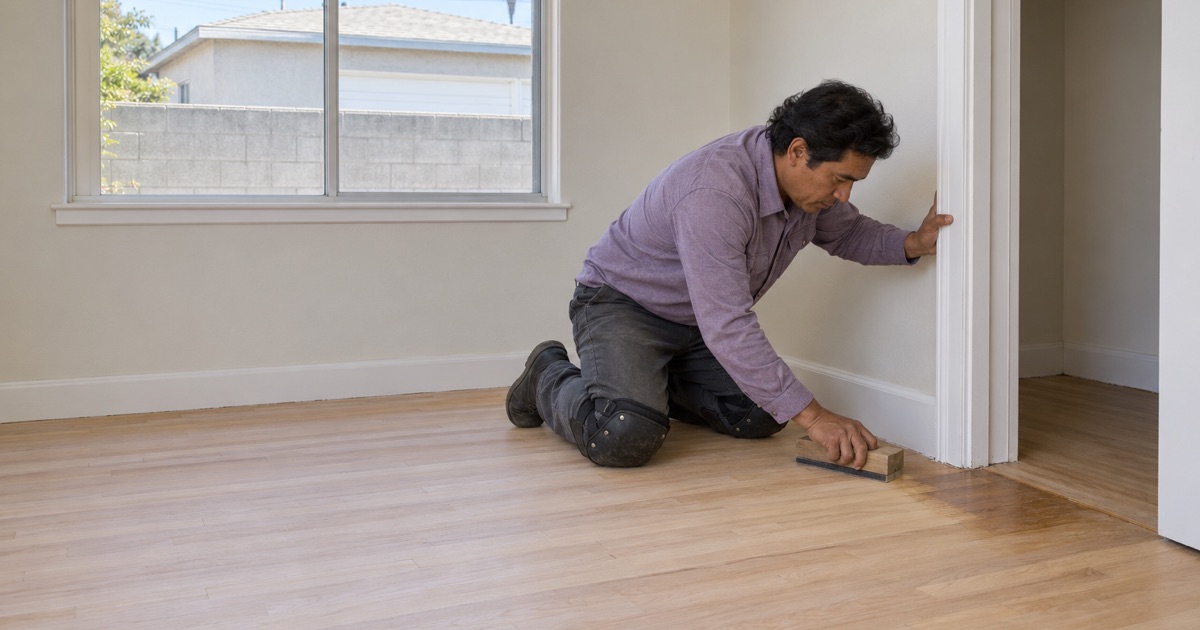
Pulling back a corner of carpet in a 1950s Gardena house often turns up strip oak that has not seen daylight in decades, still wearing tack strip holes, pad residue and staples. We pull the staples, fill the tack strip line and sand the floor, and it is often one of the best-value projects in an older home.
Restoring a 70-Year-Old Hardwood Floor
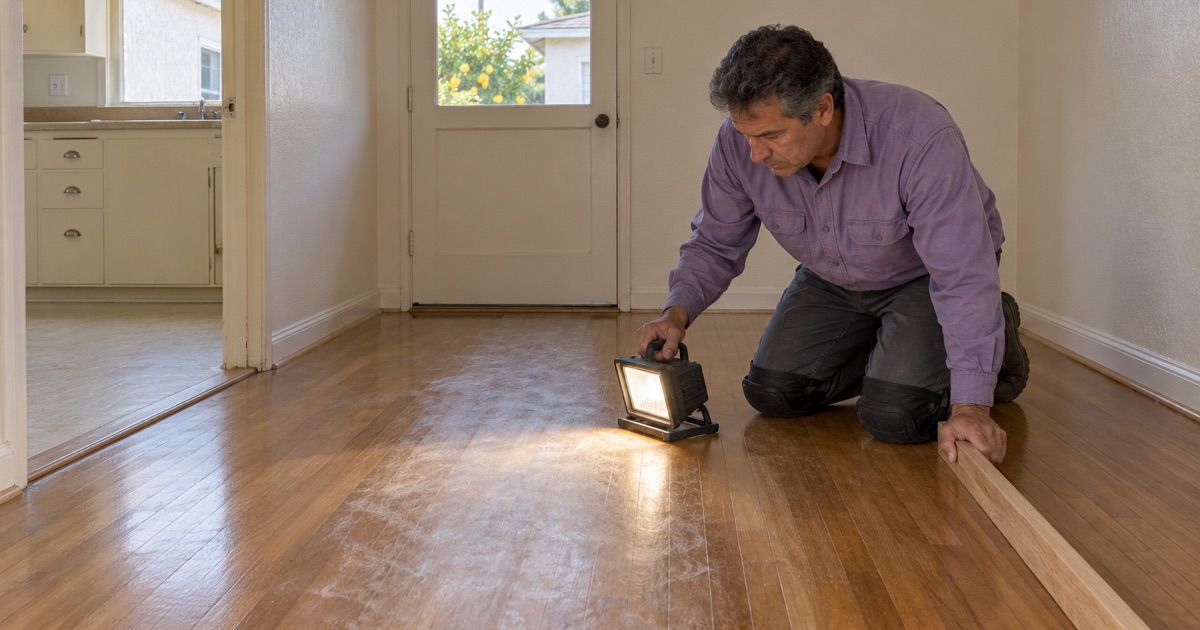
A floor that old has usually been sanded at least once, so the first question is how much wood remains above the tongue. We check a board edge at a floor register or threshold, then set a grit sequence that removes as little as possible, because the goal is another few decades of use rather than one pretty finish.
Full Sand and Refinish or Screen and Recoat
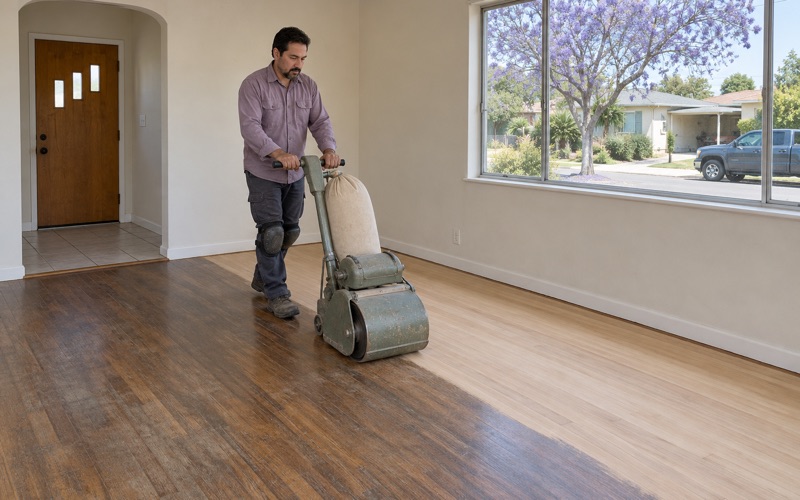
A screen and recoat scuffs the existing finish and adds a fresh coat, which suits a floor that is dull but not worn through. A full sand takes the boards to raw wood with a drum sander, edger and orbital sander, and it is the answer for graying, deep scratches or a change of stain color.
How Many Times a Floor Can Be Sanded
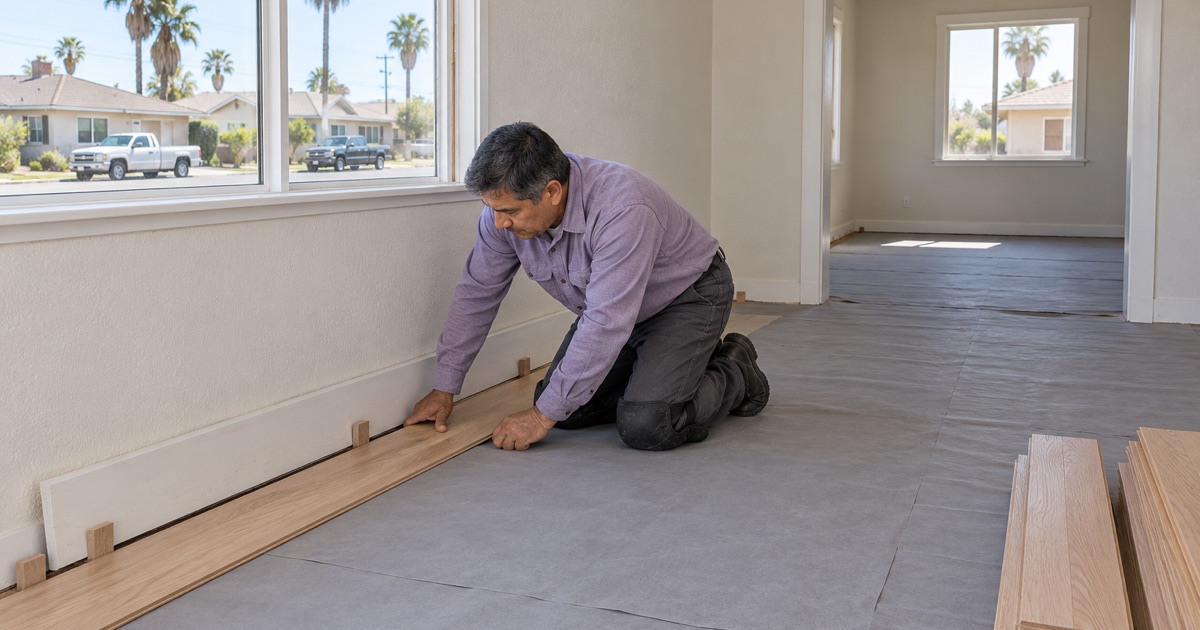
Solid hardwood can usually take several full sandings over its life, while an engineered floor depends entirely on its wear layer. We measure what is actually there before promising a refinish, because sanding through to the tongue on solid wood, or into the core on engineered, ends the floor.
Stain Color, and Why Red Oak Can Turn Pink or Blotch
Red oak carries a pink cast that some gray and whitewashed stains pull forward, and maple can take stain unevenly and look blotchy. We brush test patches onto your actual floor before choosing, so the color you approve in the room is the color that goes down.
Waterborne or Oil-Modified Polyurethane
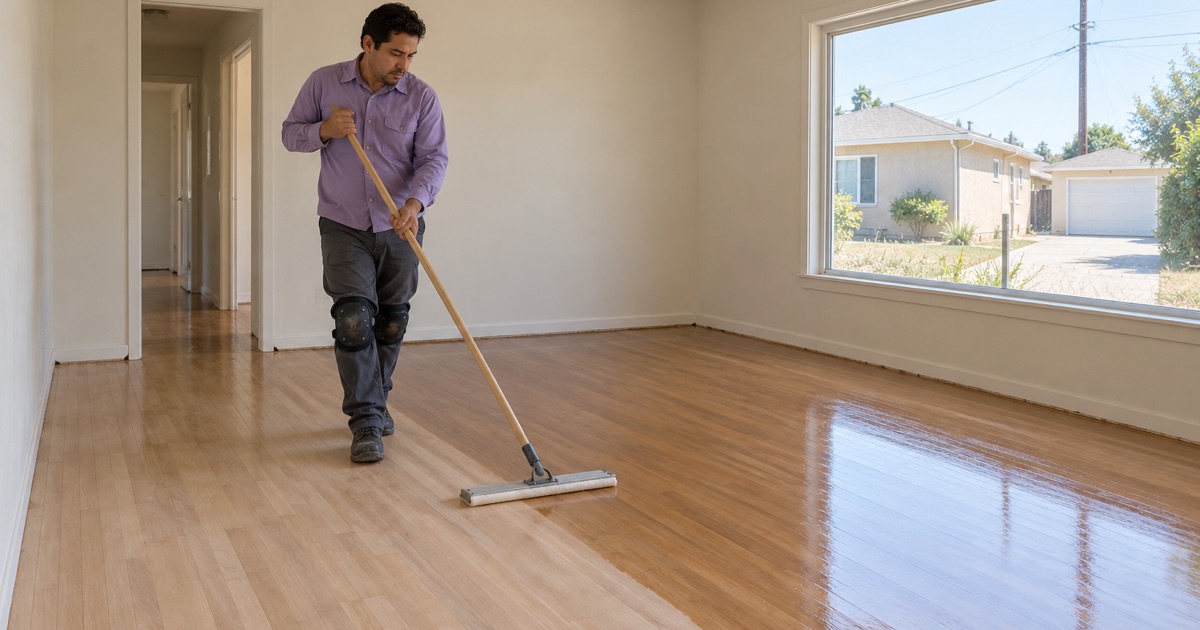
Waterborne polyurethane dries clear and quickly with less odor, while oil-modified polyurethane ambers over time and deepens the grain. A hardwax oil finish gives a low, natural look and is spot-repaired rather than recoated. We explain how each wears in a busy household before you pick a sheen level.
Low-VOC Finishes and South Coast Air Rules
Wood coatings applied in the region fall under SCAQMD Rule 1113, which caps their volatile organic compound content at 275 g/L. We only carry finishes that meet that limit, which also means less solvent smell lingering in the house while the floor cures.
Dust Control and Lead-Safe Sanding While You Live There
Most Gardena homes were built before 1978, so baseboards and door casings may carry lead paint, and lead dust from sanding is the hazard the EPA Renovation, Repair and Painting rule addresses. We seal the work area, sand with a dustless sanding system and clean to lead-safe practice so the rest of the house stays usable.
When You Can Walk on It and Bring Furniture Back
Every refinish comes with a written cure schedule: when the floor can take socks, when light furniture can return, and when rugs can go back down. The times depend on the finish chosen, and we give them room by room so a family living in the house can plan around them.
Refinishing Stairs, Treads and Railings
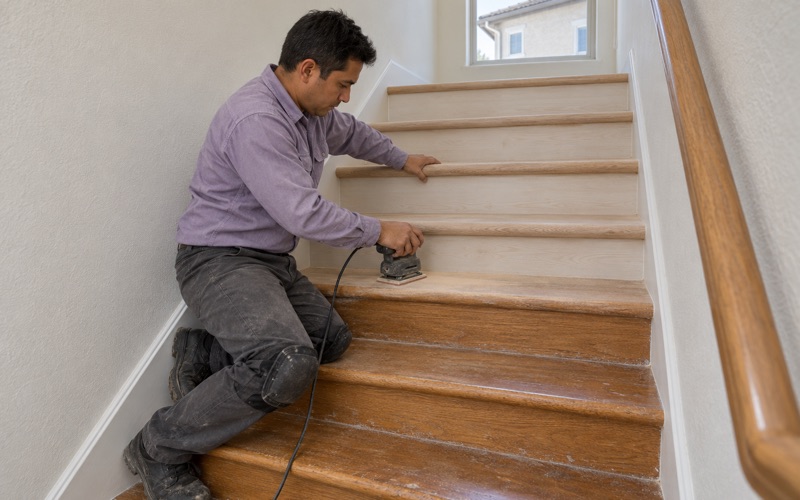
Stairs are sanded largely by hand, tread by tread, with risers, nosings and railings detailed separately. We price them per tread and riser instead of folding them into a square-foot number, so the estimate reflects the hours a staircase actually takes.